




The necessity and importance of establishing Trade and Investment Dialogues between CPTPP–EU and CPTPP–ASEAN
Monday, 14/09/2026
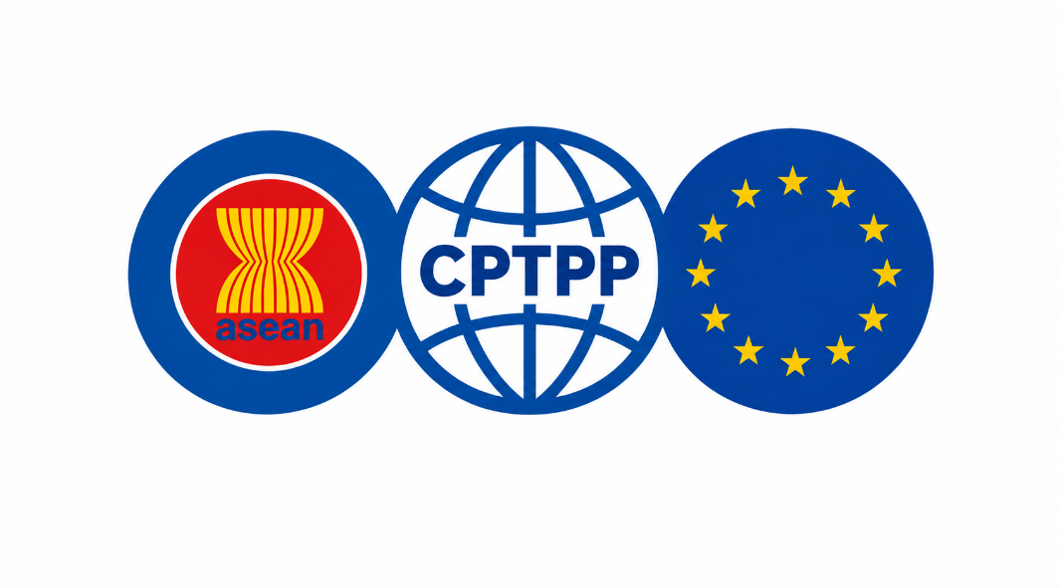
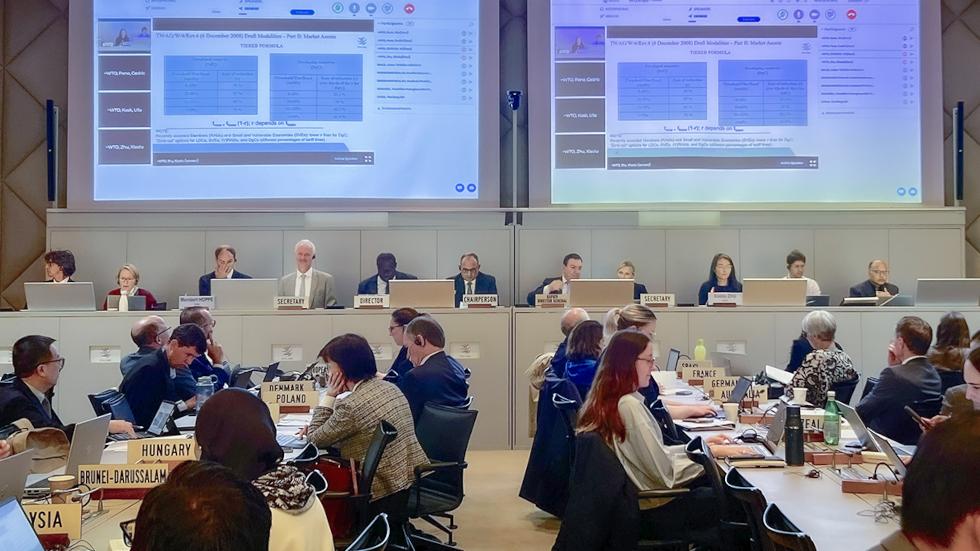
The global geopolitical and geo-economic landscape is undergoing profound shifts. Supply chain fragmentation, rising protectionism, and the stagnation of the World Trade Organization’s (WTO) multilateral mechanisms compel economic blocs to seek more flexible and substantive cooperation frameworks. As a dynamic, high-standard Free Trade Agreement (FTA), the CPTPP has proactively pursued strategic linkages with partners outside the bloc—partners who share similar perspectives, particularly regarding support for a rules-based free trade system. Stemming from the 9th CPTPP Commission meeting held in Melbourne, Australia, on November 20–21, 2025, Trade and Investment Dialogue sessions between the CPTPP and the EU, and between the CPTPP and ASEAN, took place on November 20, 2025. During these sessions, CPTPP members, the EU, and ASEAN discussed ways to strengthen cooperation in addressing global trade challenges and identified priority areas for collaboration, including: (i) trade diversification, including the promotion of trade in goods and services; (ii) digital trade; (iii) trade and investment facilitation, covering non-tariff measures as well as customs and border procedures; and (iv) supply chain resilience. During these dialogues, Joint Statements were issued by the respective parties for both the CPTPP–EU and CPTPP–ASEAN engagements.
1. Regarding the CPTPP–EU Trade and Investment Dialogue
The CPTPP and the EU are two major economic blocs representing a significant share of global GDP and trade. The CPTPP includes major economies such as Canada, Japan, the United Kingdom (UK), and Australia, while the EU itself is a massive global trading bloc. The CPTPP is a high-standard, next-generation free trade agreement (FTA) that is continuously reviewed and upgraded by its members to better adapt to the ever-evolving economic and trade landscape. Its members are geographically diverse, spanning multiple regions and linked by trans-Pacific value chains. Conversely, the EU is renowned as a global high-tech hub, characterized by green standards and vast investment capital.
Given these attributes, the CPTPP and the EU hold immense potential for collaboration in developing strategic supply chains, particularly in sectors such as semiconductors, energy, and agriculture. The implementation of the CPTPP–EU Trade and Investment Dialogue will enable both sides to enhance market access, harmonize regulations, and coordinate positions in multilateral forums—especially regarding WTO reform—while also promoting green trade, ensuring supply chain security, and addressing global challenges. Accordingly, the areas of cooperation between the CPTPP and the EU include:
- Global trade and investment environment
- Digital trade
- Trade and investment facilitation
- Supply chain resilience
2. Regarding the CPTPP–ASEAN Trade and Investment Dialogue
The relationship between the CPTPP and ASEAN is deeply rooted in Asia-Pacific connectivity, as four ASEAN member states (Singapore, Malaysia, Viet Nam, and Brunei) are also CPTPP members, serving as vital bridges between the two blocs.
In terms of significance, cooperation between the CPTPP and ASEAN demonstrates a commitment to maintaining an open, stable, and rules-based trade environment. The CPTPP offers high standards regarding transparency, digital trade, and investment facilitation, while ASEAN brings broad scope, high inclusivity, and a deeply interconnected network of economies. Combining these elements creates significant opportunities to reduce transaction costs, simplify procedures, harmonize regulations, and—importantly—support small and medium-sized enterprises (SMEs) in deeply integrating into the regional market.
Accordingly, the areas of cooperation between the CPTPP and ASEAN include:
- Global trade and investment environment
- Digital trade
- Trade and investment facilitation
- Supply chain resilience
3. Regarding Viet Nam ’s activities during its 2026 CPTPP Chairmanship
In 2026, Viet Nam will serve as the Chair of the CPTPP. A key priority identified by Viet Nam for this role is the expansion of connectivity channels between the CPTPP and its important partners—specifically by promoting engagement within the frameworks of the CPTPP–EU and CPTPP–ASEAN Trade and Investment Dialogue mechanisms—with the aim of achieving tangible, visible benefits that boost trade between the CPTPP and these respective regions.
Viet Nam plans to host the CPTPP–EU and CPTPP–ASEAN Trade and Investment Dialogue sessions on the sidelines of the 11th CPTPP Commission meeting, scheduled for November 26–27, 2026.
Source: The Multilateral Trade Policy Department, Ministry of Industry and Trade.